
Concrete and Asphalt Recycling: Turning Demolition Debris into Usable Material
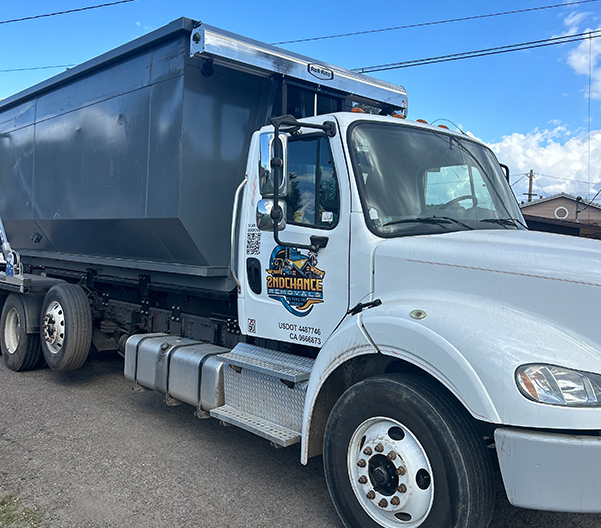
Concrete and asphalt are two of the most recycled materials in the construction industry. When a driveway is torn out, a foundation is removed, or a parking lot is milled, the resulting debris does not need to go to a landfill. With the right processing, broken concrete and asphalt can be crushed and reused as base material for new construction projects.
The recycling process starts with sorting. Concrete that is being recycled should be relatively clean — free of excessive rebar, wood, trash, and other contaminants. While modern crushing equipment can handle some embedded metal, such as rebar, excessive contamination reduces the quality of the recycled product. Asphalt is processed separately from concrete because the end products are used differently.
At a concrete recycling facility, the broken concrete is fed into a crusher that breaks it down into smaller pieces. The crushed material is then screened to produce different sizes of aggregate. The most common product is Class II base rock, which is used as a foundation layer under new concrete, asphalt, and paving projects. This material meets the same engineering specifications as virgin base rock.
Asphalt recycling follows a similar process but with a key difference. Recycled asphalt, or RAP, can be reused in new asphalt pavement. When old asphalt is milled or broken out, it is crushed and mixed with new asphalt and aggregate to produce fresh pavement. This reduces the demand for virgin petroleum products and aggregate, making asphalt recycling both an environmental and economic benefit.
For contractors in San Diego County, concrete and asphalt recycling is also a compliance issue. These materials count toward C&D diversion requirements. When a project generates concrete or asphalt debris, hauling it to a recycling facility and obtaining the weight tickets contributes to the project's diversion percentage. Dumping the same material at a landfill contributes nothing.
The weight of concrete and asphalt makes transportation a significant cost factor. A 10 yard load of broken concrete weighs about 12 tons, which is at or above the weight limit of a standard roll-off container. For large concrete removal projects, we use dedicated concrete containers or flatbed trucks that can handle the weight. The logistics need to be planned in advance to avoid weight overage fees and transportation inefficiencies.
Clean concrete — concrete that is free of rebar, dirt, and other materials — has the highest value and the lowest disposal cost. Some facilities accept clean concrete at no charge or even pay for it because the material has value as aggregate. Concrete with excessive rebar or contamination may incur a processing fee. We help contractors sort material on site to maximize the value and minimize the cost.
Asphalt milling is a specialized process that is typically done by a paving contractor rather than a hauling company. But when asphalt is broken out rather than milled, the resulting chunks need to be hauled to a recycling facility. We handle asphalt hauling for parking lot removals, driveway replacements, and other projects where broken asphalt is generated.
For projects that generate both concrete and asphalt, the materials should be kept separate if possible. Mixing them reduces the value of both because they cannot be processed into the same end product. We can provide separate containers or coordinate separate loads to keep the materials sorted.
If you are planning a project that will generate concrete or asphalt debris — a driveway replacement, a foundation removal, a parking lot demolition — call our dispatch line. We can coordinate the hauling to a recycling facility, provide the weight tickets for your compliance documentation, and help you maximize the diversion percentage for your project.
Need Hauling for Your Project?
We provide legal, on-demand junk removal, dumpster rentals, light demolition, and recycling services across San Diego County. Call our dispatch line for same-day service and compliant documentation.
Related Articles
Appliance Recycling in San Diego: What to Do with Old Refrigerators, Washers, and HVAC Units
Large appliances contain refrigerants, metals, and components that require specialized recycling. Here is how San Diego County handles appliance disposal and what contractors need to know.
Read More
Electronic Waste Disposal: A Guide for San Diego Businesses and Contractors
Computers, monitors, and electronics contain hazardous materials and cannot go in the trash. Learn the legal requirements and best practices for e-waste disposal.
Read More
Mattress Recycling in San Diego: How the Bye Bye Mattress Program Works
Mattresses are bulky, difficult to landfill, and recyclable. Learn how California's mattress recycling program works and how to dispose of old mattresses legally.
Read More