Construction Debris Weight Estimates: A Reference Guide for Contractors

Estimating the weight of construction debris is a skill that comes with experience, but having a reference guide helps. Dumpster rental pricing includes a weight allowance, and exceeding that allowance triggers overage fees that can add hundreds of dollars to a project. Understanding the weight of common materials is the key to accurate estimates.
Concrete is the heaviest common material. A cubic yard of broken concrete weighs approximately 2,400 pounds, or 1.2 tons. A 10 yard dumpster filled with concrete would weigh about 12 tons, which exceeds the weight limit of most containers. For concrete removal, we typically recommend using a dedicated concrete container or hauling it in smaller loads.
Asphalt is slightly lighter than concrete but still very heavy. A cubic yard of broken asphalt weighs about 2,000 pounds. Roofing shingles are also dense — a square of asphalt shingles (100 square feet of coverage) weighs about 240 pounds for standard three-tab shingles and up to 400 pounds for architectural shingles. A roof tear-off generates significant weight quickly.
Drywall is moderate in weight. A cubic yard of drywall debris weighs about 500 pounds. A typical interior wall, 8 feet high and 16 feet long, generates about 100 pounds of drywall when both sides are removed. A full house gut can generate several tons of drywall, but it is spread across enough volume that it usually does not trigger weight overage on its own.
Wood is variable depending on type and moisture content. Dimensional lumber weighs about 400 to 600 pounds per cubic yard. Plywood and OSB are similar. Pressure-treated lumber is heavier due to the chemical treatment. If you are demolishing a deck made of pressure-treated lumber, estimate on the higher end of the range.
Tile is heavier than most people expect. A cubic yard of ceramic or porcelain tile weighs about 1,200 pounds. Natural stone tile — granite, marble, slate — can weigh 1,500 pounds or more per cubic yard. A bathroom floor demolition might not look like much volume, but the weight adds up fast. This is why bathroom remodels frequently trigger weight overage on 10 yard containers.
Metal is relatively light per cubic foot but can add up. Steel weighs about 490 pounds per cubic foot, but scrap metal from a demolition is usually not solid — it is framing, ductwork, and piping that has air space. A cubic yard of mixed metal scrap weighs about 500 pounds. Metal is also valuable as scrap, so it should be separated and recycled whenever possible.
Dirt and clean fill are heavy and often overlooked. A cubic yard of soil weighs about 2,000 pounds. If you are excavating for a foundation or removing soil from a site, the weight adds up quickly. Clean fill can often be diverted to a facility that accepts it for reuse, which reduces disposal costs and helps with C&D diversion compliance.
Mixed construction debris — the typical load from a remodel that includes drywall, wood, tile, cardboard, and packaging — weighs about 400 to 600 pounds per cubic yard. A 20 yard container of mixed debris typically weighs 4 to 6 tons, which is within the weight allowance of most 20 yard containers. But if the mix includes a high percentage of tile or concrete, the weight can spike.
Use these estimates as a starting point, but always confirm with your hauling partner before the load goes out. We can help you calculate the expected weight of your debris based on the materials and volume, and we can recommend the right container size and weight allowance. A quick call before the project starts can prevent an expensive surprise on the final invoice.
Need Hauling for Your Project?
We provide legal, on-demand junk removal, dumpster rentals, light demolition, and recycling services across San Diego County. Call our dispatch line for same-day service and compliant documentation.
Related Articles
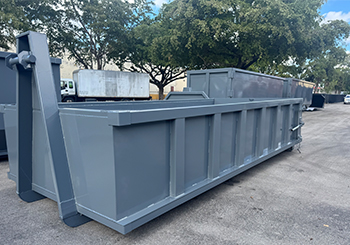
How to Estimate Dumpster Sizes for Kitchen and Bathroom Remodels
A practical guide to selecting the right container size for residential tile, cabinetry, and drywall teardowns to prevent weight overage fees and job site clutter.
Read More
Dumpster Permit Requirements in San Diego: When You Need One and How to Get It
Placing a dumpster on a public street requires a permit in most San Diego County cities. Here is a guide to the permit process and how to avoid violations.
Read More
Understanding San Diego C&D Debris Recycling Regulations for General Contractors
San Diego municipal codes mandate up to 65% waste diversion for construction and demolition projects. Here is what builders need to know about compliance certificates, permitted facilities, and documentation requirements.
Read More