
Drywall Disposal and Recycling: Handling Gypsum Waste on Job Sites
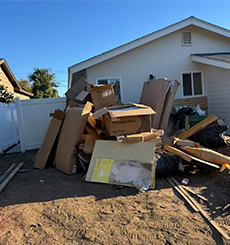
Drywall, also known as gypsum board or sheetrock, is one of the most common waste materials generated by construction and demolition projects. It is used for interior walls and ceilings in virtually every residential and commercial building. When buildings are built, renovated, or demolished, drywall debris is always present. The good news is that drywall is recyclable, and recycling it is better for the environment and often cheaper than landfilling.
Gypsum, the primary component of drywall, is a naturally occurring mineral. When drywall is recycled, the gypsum is separated from the paper backing and any attached materials. The recovered gypsum can be used to manufacture new drywall, as a soil amendment in agriculture, or as an ingredient in cement production. The paper backing is recycled as a fiber source.
The recycling process involves grinding the drywall and separating the gypsum from the paper and any contaminants. At a proper drywall recycling facility, the material is processed to produce a clean gypsum product that meets the specifications of the end users. Contaminated drywall — drywall with paint, joint compound, or other materials — may be accepted but is processed differently.
For contractors, the key to drywall recycling is keeping it clean. Drywall that is mixed with wood, metal, trash, or other construction debris cannot be recycled and must go to a landfill. On-site sorting is essential. We recommend a dedicated drywall container or a clearly designated area in a mixed debris container where only drywall is placed.
The volume of drywall waste from a project can be significant. A new construction home generates about 1 to 2 tons of drywall scrap from cut-offs and installation waste. A full interior demolition generates much more — all the drywall from every wall and ceiling in the building. A 2,000 square foot home with drywall on all walls and ceilings can generate 4 to 6 tons of drywall debris.
Weight is moderate. Drywall weighs about 500 pounds per cubic yard. A 20 yard container of clean drywall weighs about 5 tons, which is typically within the weight allowance. But drywall that is wet — from a water damage event or from being stored outside in the rain — is significantly heavier and may require special handling.
Hydrogen sulfide gas is a concern with drywall in landfills. When gypsum is buried in a landfill and exposed to water and organic material, it decomposes and releases hydrogen sulfide, a toxic gas. This is one of the reasons that some jurisdictions restrict or ban drywall disposal in landfills and require it to be recycled. San Diego County encourages drywall recycling and some facilities may charge a premium for landfill disposal.
For water damage restoration projects, drywall removal is often the first step. Wet drywall needs to be removed quickly to prevent mold growth, and the removed material needs to be hauled to a facility that can handle it. Wet drywall cannot be recycled through the standard process because the moisture content interferes with the grinding and separation. We coordinate the proper disposal of wet drywall from restoration projects.
For contractors who generate regular drywall waste — from new construction, remodeling, or demolition — we can provide dedicated drywall containers and scheduled hauling. This keeps the drywall separate from other debris and ensures it goes to a recycling facility. The weight tickets from the recycling facility document the diversion for compliance purposes.
If you are a contractor who needs drywall hauling and recycling, call our dispatch line. We can provide dedicated containers, coordinate the hauling to a recycling facility, and provide the documentation you need for C&D compliance. Keeping drywall out of the landfill is good for the environment and good for your project's compliance numbers.
Need Hauling for Your Project?
We provide legal, on-demand junk removal, dumpster rentals, light demolition, and recycling services across San Diego County. Call our dispatch line for same-day service and compliant documentation.
Related Articles
Appliance Recycling in San Diego: What to Do with Old Refrigerators, Washers, and HVAC Units
Large appliances contain refrigerants, metals, and components that require specialized recycling. Here is how San Diego County handles appliance disposal and what contractors need to know.
Read More
Concrete and Asphalt Recycling: Turning Demolition Debris into Usable Material
Broken concrete and asphalt do not have to go to a landfill. Learn how these materials are recycled into base rock and new pavement across San Diego County.
Read More
Electronic Waste Disposal: A Guide for San Diego Businesses and Contractors
Computers, monitors, and electronics contain hazardous materials and cannot go in the trash. Learn the legal requirements and best practices for e-waste disposal.
Read More