
Assisted Self-Hauling vs Traditional Junk Removal: What Contractors Need to Know
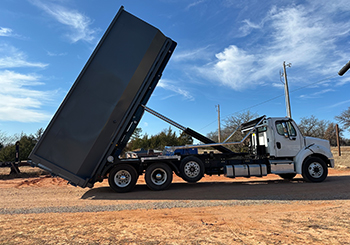
If you have ever called a junk removal company and been quoted a price that seemed disconnected from the actual amount of material on your site, you have run into the traditional junk removal pricing model. The industry standard is to charge by volume — how much space your junk takes up in the truck — rather than by weight or by the actual disposal cost. This model works fine for a homeowner with a couch and a mattress. For a contractor with a job site full of debris, it is a problem.
Assisted self-hauling is a different model. The customer pays for the hauling labor and the transportation, and the disposal cost is passed through at the actual facility rate. The hauler charges for the service of loading and transporting, not for the disposal itself. This means the price you pay is tied to the actual cost of getting rid of your material, not an inflated volume estimate.
The distinction matters because volume pricing is inherently opaque. A truck that looks full might contain lightweight material that costs almost nothing to dispose of, or it might contain dense material that costs a fortune. With volume pricing, you pay the same either way. With assisted self-hauling, you pay the actual disposal cost, which means light loads cost less and heavy loads cost what they actually cost.
For contractors, this translates directly to project budgeting. If you know the weight of the material you need to haul — and most contractors have a good sense of this from experience — you can estimate the disposal cost accurately. With volume pricing, you are at the mercy of the hauler's estimate of how much space your material will take up, which is a number they control and you cannot verify.
There is also a legal dimension. San Diego County requires that commercial hauling be performed by a licensed and insured hauler. The assisted self-hauling model, when operated by a properly licensed company, generates the documentation that contractors need for their records and for compliance purposes. Every load is tracked from the site to the facility, and the weight tickets are provided to the customer.
Traditional junk removal companies often operate on a franchise model, which means the pricing is set by a national office that has never seen your job site. The local franchisee has limited flexibility to adjust pricing based on the actual conditions. Assisted self-hauling, by contrast, is typically operated by independent local companies who can price each job based on the actual material, access, and disposal requirements.
Another factor is scheduling. Traditional junk removal companies often book days or weeks in advance, especially during peak construction season. A hauling partner who operates on an on-demand dispatch model can often be on your site the same day or the next day, which keeps your project moving. Waiting a week for a junk removal truck is not acceptable when you have a crew ready to start the next phase of work.
The documentation advantage cannot be overstated. When you hire a traditional junk removal company, you get a receipt. When you hire an assisted self-hauling partner, you get weight tickets, facility receipts, and a documented chain of custody for every load. If a property owner, a city inspector, or a lender asks where the material went, you have the paperwork to prove it.
For contractors working on projects that require C&D recycling compliance, the assisted self-hauling model is almost always the better choice. The hauler can sort the material at the site or at the facility, divert the recyclable portion to a permitted processor, and provide the weight tickets that prove the diversion happened. A traditional junk removal company that dumps everything at a landfill cannot provide this documentation.
2nd Chance Removals operates on the assisted self-hauling model. We charge for the labor and transportation, and we pass the disposal cost through at the actual facility rate. We provide weight tickets for every load, and we sort and divert recyclable material at permitted San Diego County facilities. If you want to understand exactly what you are paying for and get the documentation your project requires, this is how it works.
Need Hauling for Your Project?
We provide legal, on-demand junk removal, dumpster rentals, light demolition, and recycling services across San Diego County. Call our dispatch line for same-day service and compliant documentation.
Related Articles
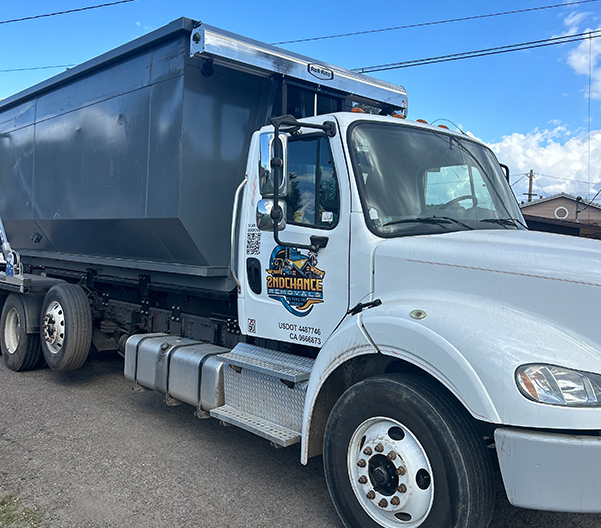
Understanding San Diego C&D Debris Recycling Regulations for General Contractors
San Diego municipal codes mandate up to 65% waste diversion for construction and demolition projects. Here is what builders need to know about compliance certificates, permitted facilities, and documentation requirements.
Read More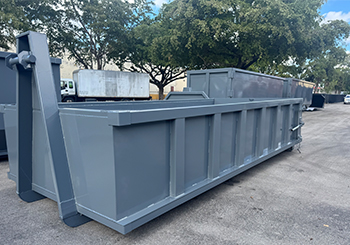
How to Estimate Dumpster Sizes for Kitchen and Bathroom Remodels
A practical guide to selecting the right container size for residential tile, cabinetry, and drywall teardowns to prevent weight overage fees and job site clutter.
Read More
Best Practices for Interior Light Demolition and Site Prep
Key safety procedures, utility shutoffs, and dust containment methods to execute interior strip-outs without damaging load-bearing framing or triggering safety violations.
Read More