
Best Practices for Interior Light Demolition and Site Prep
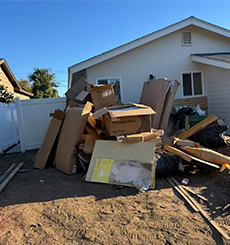
Interior light demolition is the process of removing non-structural elements inside a building to prepare for renovation. This includes removing drywall, flooring, cabinetry, fixtures, and non-load-bearing walls. It sounds straightforward, but doing it correctly requires planning, the right tools, and a clear understanding of what is structural and what is not.
The first step in any interior demo project is identifying load-bearing walls. This is not a guess — it requires understanding the building's framing structure. A wall that runs perpendicular to the floor joists and sits above a beam or foundation wall is likely load-bearing. If you are not certain, do not remove it until a structural assessment has been done. Removing a load-bearing wall without proper shoring is the most common cause of catastrophic damage during renovation.
Utility shutoff is the second critical step. Before any demolition begins, the electrical, plumbing, and gas lines in the work area must be identified and shut off. This is not just a safety issue — it is a legal requirement. Cutting into a live electrical line or a pressurized water pipe creates immediate hazards and expensive damage. Every utility should be verified as off before the first hammer swing.
Dust containment is often treated as an afterthought, but it is essential for both safety and cleanliness. Interior demolition generates enormous amounts of dust, especially when removing drywall and plaster. Sealing the work area with plastic sheeting, using negative air pressure if the building is occupied, and providing proper respiratory protection for workers are all standard practices that prevent dust from contaminating the rest of the building.
The sequence of removal matters. Start from the top and work down. Remove ceiling materials first, then upper wall materials, then lower walls, then flooring. This prevents debris from falling onto work that is already been done and makes the hauling process more efficient. It also reduces the risk of damaging materials that need to be preserved.
Salvage considerations should be addressed before demolition begins. If cabinets, fixtures, or flooring are being reused or donated, they need to be removed carefully rather than demolished. This takes more time but preserves the value of the materials. Many contractors build salvage into their bid because the materials have resale or donation value that offsets the labor cost.
Debris removal during demolition is a logistics decision. Some contractors let the debris pile up and haul it all at the end. Others schedule hauling during the demolition process to keep the site clear. The latter approach is safer and more efficient — a site piled with debris is a trip hazard and makes it harder to see what you are doing. We recommend scheduling a dumpster drop for the start of demo and a pickup or swap when it is full.
Asbestos and lead testing is required for buildings of a certain age. In San Diego County, any building constructed before 1980 should be tested for asbestos-containing materials before demolition begins. If asbestos is present, it must be removed by a licensed abatement contractor before general demolition proceeds. This is a hard legal requirement, not a recommendation.
For contractors in San Diego County, the final consideration is documentation. Every load of debris hauled from a demolition site needs a weight ticket from a permitted facility. If the project is subject to C&D recycling requirements, the diversion documentation needs to be compiled and submitted. A hauling partner who provides this documentation as part of the service saves you hours of paperwork at the end of the project.
2nd Chance Removals provides interior light demolition services for contractors and property owners across San Diego County. We handle the utility shutoffs, the dust containment, the debris hauling, and the documentation. If you need a demolition partner who understands the full scope of interior strip-outs, call our dispatch line.
Need Hauling for Your Project?
We provide legal, on-demand junk removal, dumpster rentals, light demolition, and recycling services across San Diego County. Call our dispatch line for same-day service and compliant documentation.
Related Articles
Shed Demolition and Removal: What to Expect When Tearing Down an Old Outbuilding
Old sheds are a common source of blight and safety hazards. Here is a step-by-step guide to demolishing and removing a shed, including permit requirements and debris disposal.
Read More
Deck Demolition and Removal: A Contractor's Guide to Tear-Outs
Wood decks have a limited lifespan. When it is time to replace or remove a deck, here is how the demolition and hauling process works, including treated wood disposal.
Read More
Fence Removal and Disposal: A Guide for Homeowners and Contractors
Old fences are a common removal project. Here is how to handle wood, chain-link, and wrought iron fence removal and dispose of the materials properly.
Read More