
Cardboard Recycling for Retail Businesses: Setting Up an Efficient Program
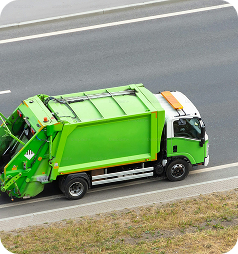
Cardboard is one of the most recyclable materials in the waste stream, and for retail businesses, it is often the largest single component of waste generation. Shipping cartons, display materials, and packaging all generate cardboard that can be recycled rather than landfilled. Setting up an efficient cardboard recycling program reduces disposal costs and supports sustainability goals.
The volume of cardboard from a retail business can be significant. A single retail store receiving daily shipments can generate several cubic yards of cardboard per week. Without a recycling program, this cardboard goes into the trash dumpster, filling it quickly and increasing the frequency of trash pickups. Recycling the cardboard separately reduces the trash volume and the associated costs.
The first step in setting up a program is assessing the volume. How much cardboard does the business generate per week? This determines the type of container needed — a small indoor baler, an outdoor cardboard dumpster, or a roll-off container for high-volume generators. The container size should match the volume to avoid overflow and the associated fire and pest hazards.
Balers are an option for businesses that generate enough cardboard to justify the investment. A baler compresses cardboard into dense bales that are easier to store and transport. Baled cardboard is also more valuable to recyclers because it is ready for processing. For businesses generating more than 10 cubic yards of cardboard per week, a baler can pay for itself in reduced hauling costs.
For smaller volumes, a dedicated cardboard dumpster is the practical option. These containers are typically 2 to 6 cubic yards and are serviced on a regular schedule. The cardboard is collected loose or flattened, and the dumpster is emptied by a recycling hauler. The frequency of service depends on the volume — weekly, biweekly, or on-call.
Clean cardboard is essential for recycling. Cardboard that is contaminated with food, oil, or other materials may not be accepted by the recycler. Pizza boxes, for example, are often rejected because the grease and food residue interferes with the recycling process. Employees need to be trained to separate clean cardboard from contaminated material.
Flattening cardboard before putting it in the container maximizes the capacity. A box that is not flattened takes up 5 to 10 times more space than one that is broken down. Training employees to flatten boxes as part of the stocking process is a simple step that significantly reduces the container volume and the hauling frequency.
For retail businesses in shopping centers or multi-tenant commercial buildings, the cardboard recycling may be coordinated through the property management. In these cases, the recycling containers are shared among tenants, and the hauling is arranged by the property owner. We work with property managers to set up shared recycling programs that serve multiple tenants efficiently.
Documentation of cardboard recycling is available and can support corporate sustainability reporting. We provide weight tickets from the recycling facility that show the tonnage of cardboard diverted from landfill. This data can be used in annual sustainability reports, ESG disclosures, and compliance documentation for local waste diversion requirements.
If you are a retail business or property manager who needs cardboard recycling service, call our dispatch line. We can assess your volume, recommend the right container and service schedule, and provide the documentation you need for your sustainability reporting. Cardboard recycling is one of the easiest and most cost-effective waste diversion programs a business can implement.
Need Hauling for Your Project?
We provide legal, on-demand junk removal, dumpster rentals, light demolition, and recycling services across San Diego County. Call our dispatch line for same-day service and compliant documentation.
Related Articles

Office Decommissioning: Hauling Services for Commercial Tenant Move-Outs
When a business vacates a commercial space, the lease typically requires the premises to be returned to bare shell condition. Here is what commercial decommissioning involves.
Read More
Understanding San Diego C&D Debris Recycling Regulations for General Contractors
San Diego municipal codes mandate up to 65% waste diversion for construction and demolition projects. Here is what builders need to know about compliance certificates, permitted facilities, and documentation requirements.
Read More
Assisted Self-Hauling vs Traditional Junk Removal: What Contractors Need to Know
Municipal codes define commercial junk hauling as 'Assisted Self-Hauling.' Learn how this model offers contractors greater pricing flexibility, legal security, and documentation control.
Read More