How to Create a Construction Site Waste Management Plan
A construction site waste management plan is a document that outlines how debris will be handled, sorted, hauled, and disposed of during a construction project. For many projects in San Diego County, it is also a regulatory requirement. But beyond compliance, a well-constructed plan is a practical tool that helps contractors control costs and keep the project on schedule.
The first element of a waste management plan is a material inventory. Before the project starts, identify the types and estimated quantities of debris that will be generated. This includes excavation soil, concrete and asphalt from demolition, wood and drywall from framing and finishing, metal, cardboard packaging, and general construction waste. The inventory drives the rest of the plan.
The second element is a diversion strategy. For each material type, identify how it will be handled. Concrete and asphalt go to a recycling facility. Clean wood goes to a biomass facility. Metal goes to a scrap recycler. Cardboard goes to a recycling center. Mixed debris goes to a C&D processing facility. The strategy should identify the specific facilities that will be used and confirm that they are permitted to accept the material.
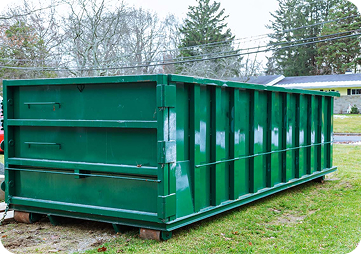
Container logistics is the third element. Based on the material inventory and the project timeline, determine how many containers are needed, what sizes, and when they should be delivered and picked up. A large project might need a concrete container, a wood container, and a mixed debris container on site simultaneously. A smaller project might use a single container that is swapped out as it fills.
The schedule should align with the construction phases. Demolition generates the first wave of debris. Framing generates wood and cardboard. Drywall installation generates drywall waste. Finishing generates packaging and miscellaneous debris. The container schedule should match these phases so that the right capacity is available when it is needed.
On-site sorting is a critical decision. Sorting debris on site into separate containers maximizes diversion and reduces disposal costs, but it requires space for multiple containers and discipline from the crew. Mixed debris hauling is simpler but results in lower diversion rates and higher disposal costs. The plan should specify which approach is being used and how the crew will be instructed.
Documentation procedures should be specified in the plan. Every load that leaves the site should generate a weight ticket from the receiving facility. These tickets should be collected and organized throughout the project, not compiled at the end. The plan should designate who is responsible for collecting and filing the tickets and how the final diversion report will be compiled.
Budget allocation is a practical element that is often overlooked. The waste management plan should include a budget for hauling and disposal, based on the estimated volume and weight of debris. This budget should be tracked against actual costs throughout the project. If actual costs are running higher than estimated, the plan can be adjusted — for example, by improving on-site sorting to reduce disposal fees.
For projects that require a formal waste management plan submission to the city, the document needs to follow a specific format. The City of San Diego has a template for C&D waste management plans that includes the project information, the material inventory, the diversion strategy, and the documentation procedures. We can help contractors prepare this document using the information from their project.
If you are a contractor starting a project in San Diego County and need help developing a waste management plan, call our dispatch line. We can help you estimate debris volumes, identify the right facilities, plan the container schedule, and prepare the documentation that your project requires. A good plan is the foundation of a clean, compliant, and cost-effective project.
Need Hauling for Your Project?
We provide legal, on-demand junk removal, dumpster rentals, light demolition, and recycling services across San Diego County. Call our dispatch line for same-day service and compliant documentation.
Related Articles
Understanding San Diego C&D Debris Recycling Regulations for General Contractors
San Diego municipal codes mandate up to 65% waste diversion for construction and demolition projects. Here is what builders need to know about compliance certificates, permitted facilities, and documentation requirements.
Read More
Assisted Self-Hauling vs Traditional Junk Removal: What Contractors Need to Know
Municipal codes define commercial junk hauling as 'Assisted Self-Hauling.' Learn how this model offers contractors greater pricing flexibility, legal security, and documentation control.
Read More
How to Estimate Dumpster Sizes for Kitchen and Bathroom Remodels
A practical guide to selecting the right container size for residential tile, cabinetry, and drywall teardowns to prevent weight overage fees and job site clutter.
Read More