Roofing Tear-Off Debris Hauling: A Guide for Roofing Contractors
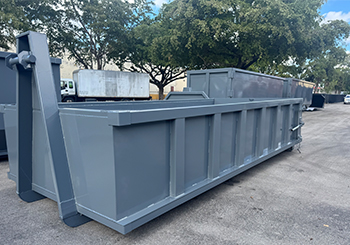
A roofing tear-off is one of the most debris-intensive phases of any construction project. When old roofing material is removed to make way for a new roof, the volume and weight of the debris can be significant. For roofing contractors, having a hauling plan that keeps pace with the tear-off is essential to keeping the job on schedule.
The weight of roofing debris depends on the material. Asphalt shingles are the most common roofing material in San Diego County, and they are heavy. A square of asphalt shingles — enough to cover 100 square feet — weighs 240 to 400 pounds depending on the type. A typical residential roof of 30 squares generates 7,200 to 12,000 pounds of shingle debris alone.
Concrete and clay tile roofs are even heavier. A square of concrete tile weighs 600 to 1,200 pounds, and clay tile can be similar. A tile roof tear-off on a 2,500 square foot home can generate 15 to 30 tons of debris. This requires a dedicated hauling plan with containers or trucks that can handle the weight, and the logistics need to be coordinated with the roofing crew's schedule.
The underlayment and decking add to the debris volume. When a roof is torn off down to the rafters, the old underlayment, flashing, and damaged decking all need to be hauled. This material is lighter than the roofing itself but adds to the overall volume. A full tear-off to the rafters generates about 20% more debris than a shingle-only removal.
Container placement is a critical consideration for roofing jobs. The container needs to be close enough to the house that the crew can toss debris directly into it from the roof, but not so close that it damages landscaping or blocks access. For multi-story homes, a container placed at the edge of the driveway is often the best position. We can advise on the optimal placement based on the site layout.
The speed of hauling matters for roofing projects. A tear-off crew can fill a 20 yard container in a day on a large roof. If the container is not swapped out quickly, the crew is either standing around waiting or piling debris on the ground, which creates a mess and a safety hazard. We offer same-day container swaps to keep the tear-off moving.
Asphalt shingles are recyclable. Shingle recycling facilities process old shingles into hot mix asphalt for road paving. This is a better option than landfilling, and it contributes to C&D diversion compliance. However, not all hauling companies take shingles to a recycler — many simply dump them at a landfill. We haul shingles to recycling facilities whenever possible and provide the documentation.
For commercial roofing projects — flat roofs with built-up roofing or single-ply membrane — the debris is different. Built-up roofing generates tar and gravel, which is heavy and messy. Membrane roofing generates large sheets of material that are bulky but relatively light. Each type requires different container configurations and hauling logistics.
Weather is a factor for roofing debris hauling. In San Diego, the rainy season is short but intense, and a roof that is torn off needs to be covered or replaced quickly. The hauling schedule needs to align with the weather window to ensure that debris is removed and the new roof is installed before any rain arrives. We coordinate with roofing contractors to align hauling with the weather forecast.
If you are a roofing contractor who needs reliable debris hauling for tear-off projects, call our dispatch line. We understand the weight, the volume, the scheduling, and the recycling requirements. We can provide the containers and the hauling service that keeps your roofing crew working and your project on schedule.
Need Hauling for Your Project?
We provide legal, on-demand junk removal, dumpster rentals, light demolition, and recycling services across San Diego County. Call our dispatch line for same-day service and compliant documentation.
Related Articles
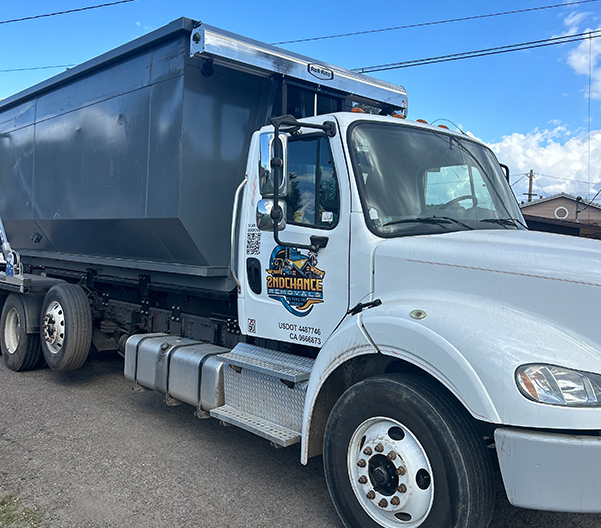
Understanding San Diego C&D Debris Recycling Regulations for General Contractors
San Diego municipal codes mandate up to 65% waste diversion for construction and demolition projects. Here is what builders need to know about compliance certificates, permitted facilities, and documentation requirements.
Read More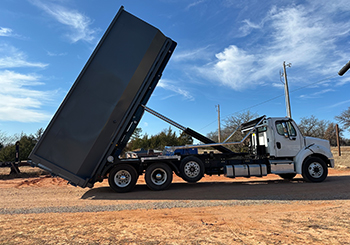
Assisted Self-Hauling vs Traditional Junk Removal: What Contractors Need to Know
Municipal codes define commercial junk hauling as 'Assisted Self-Hauling.' Learn how this model offers contractors greater pricing flexibility, legal security, and documentation control.
Read MoreHow to Estimate Dumpster Sizes for Kitchen and Bathroom Remodels
A practical guide to selecting the right container size for residential tile, cabinetry, and drywall teardowns to prevent weight overage fees and job site clutter.
Read More