Deck Demolition and Removal: A Contractor's Guide to Tear-Outs
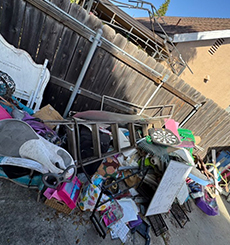
A wood deck in San Diego's climate typically lasts 15 to 25 years, depending on the materials, construction quality, and maintenance. When a deck reaches the end of its life — sagging boards, rotting joists, or loose railings — it needs to be removed before it becomes a safety hazard. Deck demolition is a common project for contractors and a service we haul for regularly.
The first step is assessing the deck's construction. A deck built on a wood frame with pressure-treated posts set in concrete is the most common type. The frame is attached to the house with a ledger board, which is a critical connection point. The decking surface may be cedar, redwood, pressure-treated lumber, or a composite material. Each material has different disposal requirements.
The ledger board connection requires careful attention. If the deck is attached to the house, the ledger board needs to be removed without damaging the house's siding or waterproofing. Flashing behind the ledger board is critical — if it is damaged during removal, water can penetrate the house framing and cause rot. We work carefully around the house connection to preserve the building envelope.
Pressure-treated lumber is the most common framing material, and it requires special disposal. Pressure-treated wood contains chemical preservatives — historically arsenic, now copper-based compounds — that prevent rot and insect damage. These chemicals make the wood hazardous to burn and require it to be disposed of at a landfill that accepts treated wood, not at a green waste facility.
Composite decking is a different disposal stream. Composite materials — a mix of wood fiber and plastic — are not accepted at green waste facilities or standard C&D recyclers. They typically go to a landfill. If the deck is being replaced with new composite, the manufacturer may have a recycling program for the old material, but this needs to be arranged in advance.
Cedar and redwood decking, if it is in good condition, may have salvage value. These materials can be reused for smaller projects, and some salvage yards accept them. If the decking is being removed as part of a replacement project, we can set aside reusable material and coordinate pickup by a salvage yard or donation to a habitat reuse store.
The concrete footings that support the deck posts are a separate hauling challenge. If the footings are being removed — which is necessary if the area is being re-landscaped or if a new deck is being built in a different configuration — they need to be broken out and hauled. Concrete footings are heavy and should be hauled to a concrete recycling facility.
The volume of debris from a deck demolition is moderate. A typical 200 square foot wood deck generates about 3 to 5 cubic yards of debris. The weight depends on the material — pressure-treated lumber is heavier than cedar, and concrete footings add significant weight. We size the container or truck based on the deck dimensions and materials.
For contractors doing deck replacements, the demolition and hauling need to be coordinated with the new deck installation. The old deck needs to be gone before the new one can start, and the site needs to be clean and clear. We work on tight schedules to ensure the site is ready for the new construction crew when they arrive.
If you are planning a deck demolition — whether you are a contractor replacing a deck or a homeowner removing one that is past its prime — call our dispatch line. We can provide a container for the debris, handle the hauling and disposal, and ensure that treated wood and concrete are disposed of at the correct facilities.
Need Hauling for Your Project?
We provide legal, on-demand junk removal, dumpster rentals, light demolition, and recycling services across San Diego County. Call our dispatch line for same-day service and compliant documentation.
Related Articles
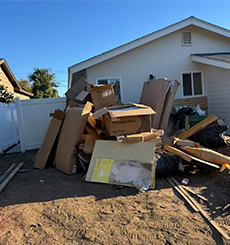
Best Practices for Interior Light Demolition and Site Prep
Key safety procedures, utility shutoffs, and dust containment methods to execute interior strip-outs without damaging load-bearing framing or triggering safety violations.
Read MoreShed Demolition and Removal: What to Expect When Tearing Down an Old Outbuilding
Old sheds are a common source of blight and safety hazards. Here is a step-by-step guide to demolishing and removing a shed, including permit requirements and debris disposal.
Read More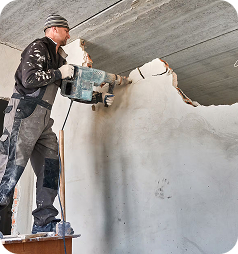
Fence Removal and Disposal: A Guide for Homeowners and Contractors
Old fences are a common removal project. Here is how to handle wood, chain-link, and wrought iron fence removal and dispose of the materials properly.
Read More