
Shed Demolition and Removal: What to Expect When Tearing Down an Old Outbuilding
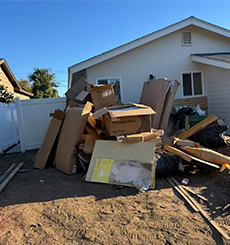
An old shed in the backyard might seem like a simple demolition project, but there are several factors to consider before you start tearing it down. Permits, utilities, hazardous materials, and debris disposal all need to be addressed. Skipping any of these steps can lead to delays, fines, or safety hazards.
Permit requirements vary by jurisdiction. In most San Diego County cities, a permit is required to demolish a structure that is larger than 120 square feet. Smaller sheds may not require a permit, but it is always worth checking with the local building department before starting. Some cities also have specific requirements for sheds that contain electrical wiring or plumbing.
Utility clearance is the first safety step. Before any demolition begins, check for electrical lines running to the shed. If the shed has power, the electrical service must be disconnected at the source — not just turned off at a switch inside the shed. If the shed has plumbing, the water supply needs to be shut off and the lines capped. Gas lines, if present, require a utility company to disconnect.
Hazardous materials are a common issue with older sheds. Sheds built before 1980 may contain asbestos in the roofing material or siding. Treated wood — the green or brown lumber used for outdoor construction — contains chemicals that require special handling. Old paint may contain lead. If there is any chance of hazardous materials, the shed should be inspected before demolition begins.
The demolition process itself depends on the construction of the shed. A wood frame shed with shiplap or T1-11 siding is the most common type in San Diego backyards. The process involves removing the roofing material, taking off the siding, cutting the framing into manageable pieces, and removing the floor and foundation. A metal shed is dismantled by removing the panels and frame components.
Concrete shed foundations are a separate challenge. Many older sheds sit on a concrete slab that may need to be removed as well. Breaking up and hauling a concrete slab adds significant weight to the project — a 10x12 slab can weigh over 2 tons. We have the equipment to break and haul concrete, but it needs to be planned as part of the overall project.
Debris disposal is where the hauling comes in. A typical backyard shed generates 2 to 5 cubic yards of debris, depending on the size and construction. The debris is a mix of wood, roofing material, metal, and possibly concrete. We sort the materials on site — metal goes to scrap recycling, clean wood goes to green waste or a biomass facility, and the rest goes to a C&D processing facility.
Site cleanup is the final step. After the shed and foundation are removed, the area needs to be graded and cleaned. If the shed was on a lawn, the area may need to be filled and re-seeded. If the shed was on a concrete pad that was removed, the hole needs to be filled with clean soil or base material. We leave the site clean and level, ready for whatever the homeowner plans next.
For homeowners who are not comfortable doing the demolition themselves, we provide complete shed demolition and removal service. We handle the utility disconnections, the hazardous material assessment, the demolition, the debris hauling, and the site cleanup. The homeowner does not need to lift a hammer or haul a single piece of debris.
If you have an old shed that needs to come down, call our dispatch line. We can assess the shed, check for hazardous materials, determine whether a permit is needed, and provide a complete demolition and removal quote. The process is faster and less expensive than most homeowners expect.
Need Hauling for Your Project?
We provide legal, on-demand junk removal, dumpster rentals, light demolition, and recycling services across San Diego County. Call our dispatch line for same-day service and compliant documentation.
Related Articles
Best Practices for Interior Light Demolition and Site Prep
Key safety procedures, utility shutoffs, and dust containment methods to execute interior strip-outs without damaging load-bearing framing or triggering safety violations.
Read More
Deck Demolition and Removal: A Contractor's Guide to Tear-Outs
Wood decks have a limited lifespan. When it is time to replace or remove a deck, here is how the demolition and hauling process works, including treated wood disposal.
Read More
Fence Removal and Disposal: A Guide for Homeowners and Contractors
Old fences are a common removal project. Here is how to handle wood, chain-link, and wrought iron fence removal and dispose of the materials properly.
Read More