
Fence Removal and Disposal: A Guide for Homeowners and Contractors
Fence removal is a common project for homeowners and contractors. Whether a wood fence is rotting, a chain-link fence is being replaced, or a property line is being reconfigured, the old fence needs to come down and the debris needs to be hauled. The process varies by fence type, and each material has different disposal requirements.
Wood fences are the most common type in San Diego County residential properties. A standard wood fence is built with 4x4 posts set in concrete, 2x4 rails, and vertical boards. The removal process involves cutting the posts at ground level, pulling the rails and boards, and extracting the concrete footings. The wood is a mix of treated posts and rails and cedar or redwood boards.
Pressure-treated wood — the posts and sometimes the rails — contains chemical preservatives and cannot be disposed of as green waste. It must go to a landfill that accepts treated wood. Cedar and redwood boards, if they are not treated, can be recycled as green waste or biomass. Sorting the wood on site is essential to ensure each material goes to the right facility.
The concrete footings are a separate hauling challenge. Each post is typically set in a concrete footing that is 12 to 18 inches in diameter and 2 to 3 feet deep. Removing these footings requires digging or breaking the concrete, which adds labor and weight to the project. A 100-foot fence with posts every 8 feet has about 13 footings, each weighing 100 to 200 pounds.
Chain-link fences are a different removal process. The fabric — the diamond-pattern wire — is removed by unfastening it from the posts and rolling it up. The posts are steel and are set in concrete, like wood posts. The top rail and tension wire are also steel. Chain-link fences generate recyclable steel and concrete, with minimal waste material.
The steel from a chain-link fence has scrap value. Posts, rails, and fabric are all steel and can be sold to a scrap metal recycler. This offsets some of the hauling cost. We separate the steel on site and haul it to a scrap facility, providing the weight ticket and any scrap credit to the property owner.
Wrought iron fences are less common but are encountered in some older San Diego properties. Wrought iron is heavy and valuable as scrap. The removal process involves cutting the fence sections from the posts, which are typically set in concrete. The iron sections are hauled to a scrap facility, and the concrete footings are hauled to a concrete recycler.
Vinyl and composite fences are becoming more common. These materials are not recyclable through standard channels and typically go to a landfill. The posts may be set in concrete, which is recyclable. The vinyl or composite sections are relatively light but bulky, so they take up significant container volume.
The volume of fence debris varies by type and length. A 100-foot wood fence generates about 3 to 5 cubic yards of debris, including the wood and the concrete footings. A chain-link fence of the same length generates less volume but includes recyclable steel. We size the container or truck based on the fence type, length, and whether footings are being removed.
If you have a fence that needs to be removed and hauled, call our dispatch line. We can assess the fence, determine the materials and disposal requirements, and provide a complete removal and hauling quote. We handle the demolition, the concrete removal, and the sorting and disposal of all materials.
Need Hauling for Your Project?
We provide legal, on-demand junk removal, dumpster rentals, light demolition, and recycling services across San Diego County. Call our dispatch line for same-day service and compliant documentation.
Related Articles
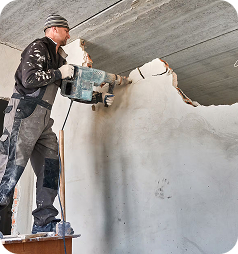
Best Practices for Interior Light Demolition and Site Prep
Key safety procedures, utility shutoffs, and dust containment methods to execute interior strip-outs without damaging load-bearing framing or triggering safety violations.
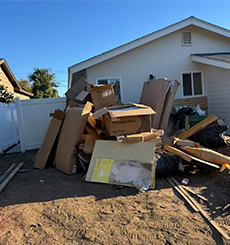
Read MoreShed Demolition and Removal: What to Expect When Tearing Down an Old Outbuilding
Old sheds are a common source of blight and safety hazards. Here is a step-by-step guide to demolishing and removing a shed, including permit requirements and debris disposal.
Read More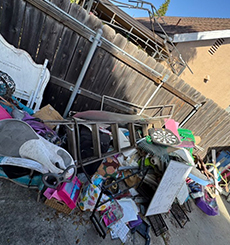
Deck Demolition and Removal: A Contractor's Guide to Tear-Outs
Wood decks have a limited lifespan. When it is time to replace or remove a deck, here is how the demolition and hauling process works, including treated wood disposal.
Read More